

The wash house (Lavatoio in Italian) is a common architectural feature across Italy and no less so in the mountain communities around Lake Como. Technological and social changes have rendered them almost entirely redundant yet many still remain and a significant number have even been renovated and restored.

Doing the laundry was at one time a social act performed in the open alongside and with the help of your neighbours. The local ‘lavatoio’ still holds a strong symbolic value in many villages as a monument to civic pride and as a reaffirmation of civil solidarity. There may also be a nostalgic element amongst more elderly citizens who can look back to a time when their villages were more densely populated with the majority sharing the same rhythm of life dominated by domestic and agricultural chores.
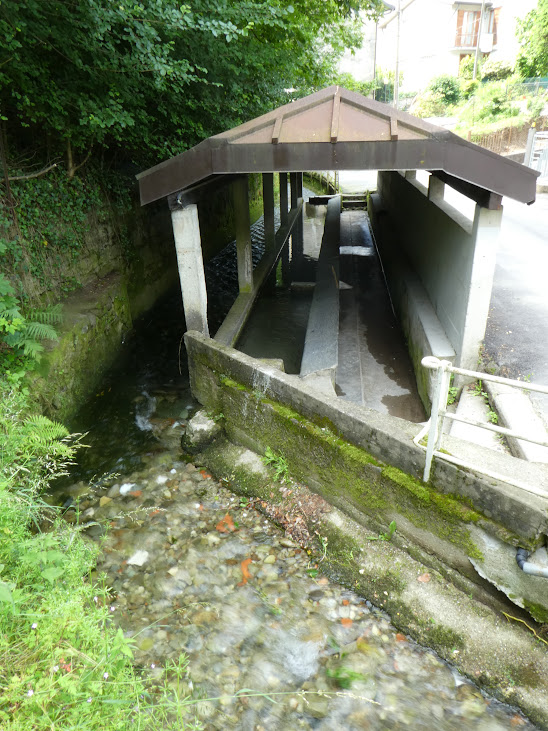
There are about 70 villages around the lake in the Province of Como and each would originally have had an average of four wash houses. Four of them – Argegno, Campione, Colonno and Sala, had none with laundry being done directly in the lake. Some of them have either been removed (as in Brunate, Zelbio, and Gera Lario), or converted into store rooms or shelters as in Livo. Many remain abandoned but a significant number have been restored thanks to the enthusiasm of local ‘pro-loco’ associations and signposted as sites of socio-anthropological interest.
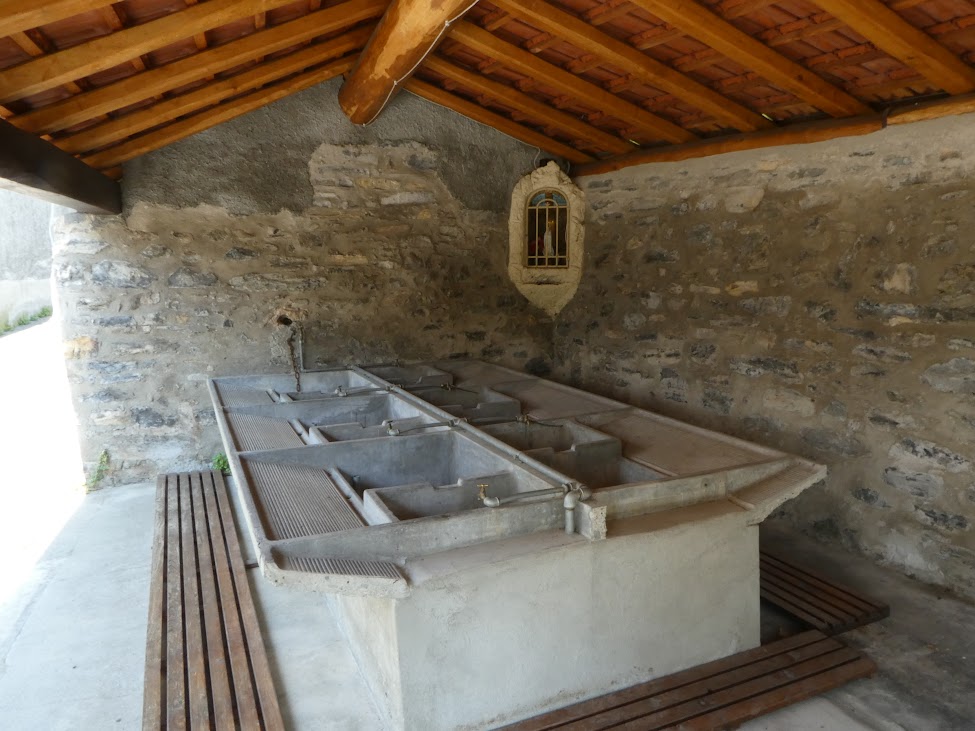
Three Vital Functions
Before the provision of mains water and well before the invention of domestic washing machines, village people needed access to water for their own domestic use, for laundry and in addition, for watering their livestock every morning and evening as they were walked to and from their daytime pasture.
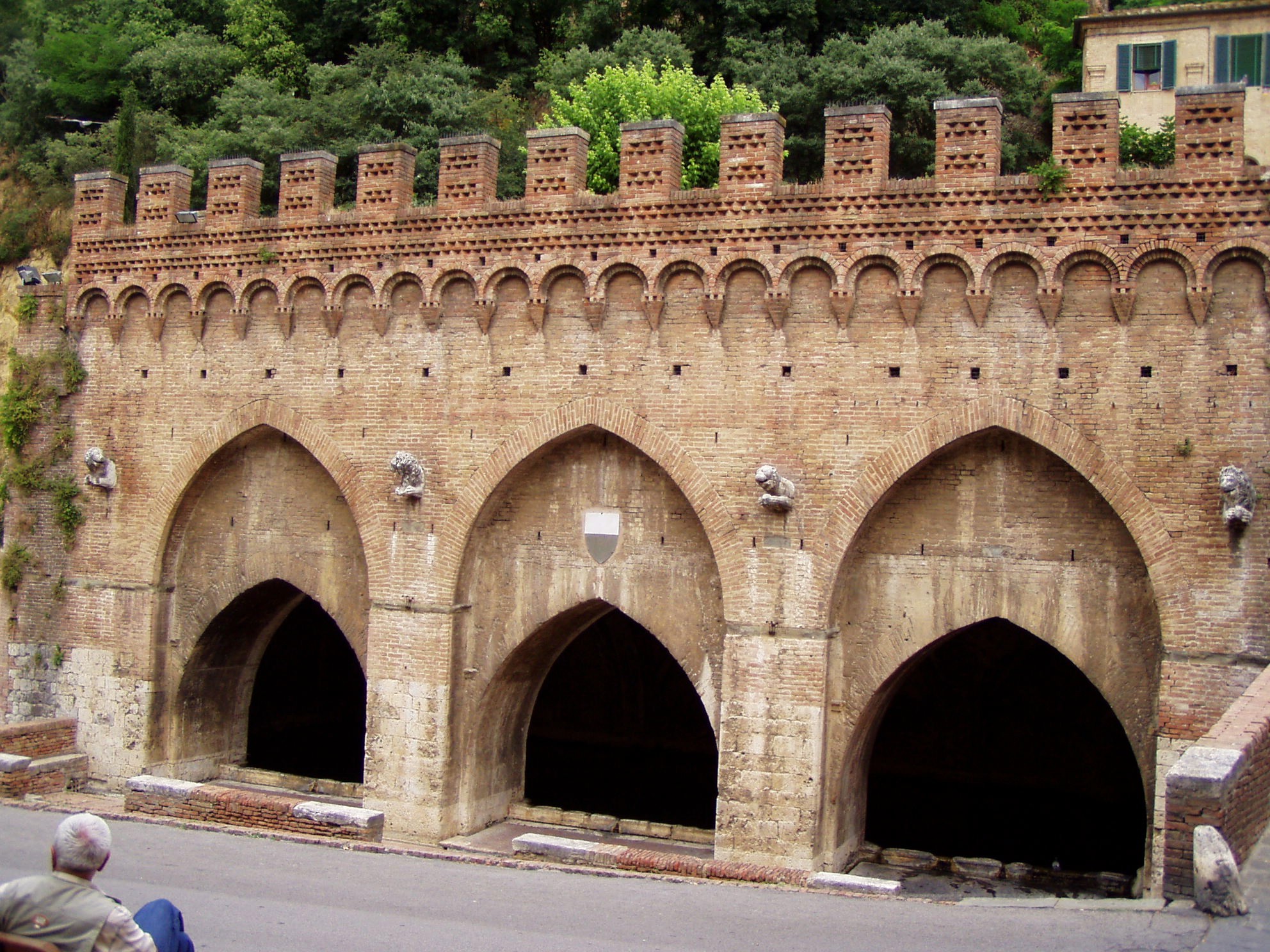
One of Italy’s earliest and most elaborate wash houses is the Fontebranda in Siena. This is first mentioned in 1081 and was extended in 1193. The three arches represent the three uses made of the water. The first container provided drinking water with the second providing a drinking trough for animals. The third container was used for laundry. The structure has become famous not just for its architectural value but due to its mention in the 30th Book of Dante’s Divine Comedy.

None of the lavatoi in our region match the architectural splendour of Fontebranda but those at Tavordo di Porlezza, Brenzio and Molina are of architectural interest.
Although the needs for drinking water for inhabitants and animals was always a requirement, the need for a communal wash house only emerged once relatively wealthy families became established within the mountain communities. They paid others to wash their linen for them and thus established the role of the washer person – lavandaia (feminine) or lavandaio (masculine). It was often a wealthy patron who provided the funds for building the local lavatoio.
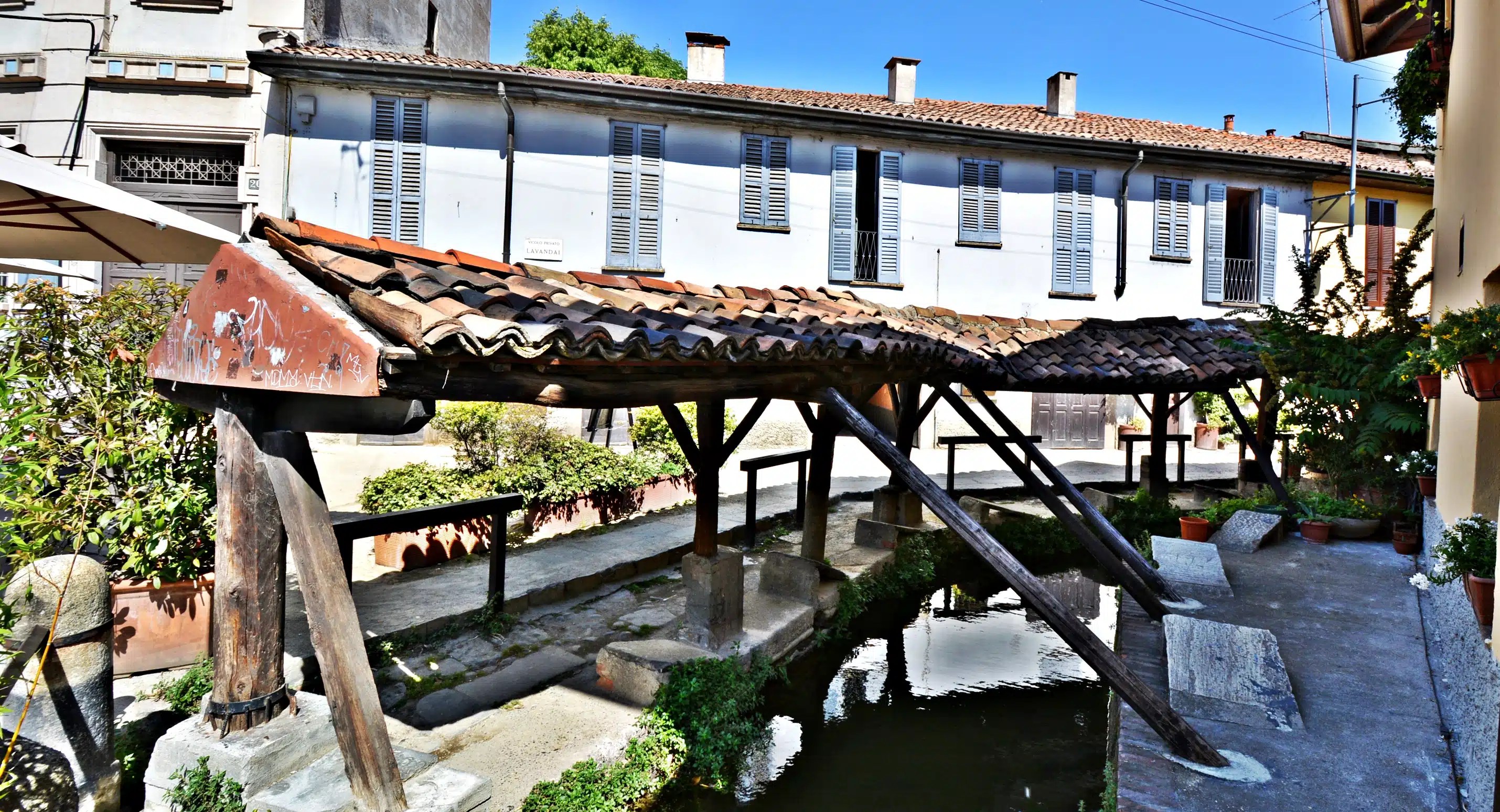
Whilst most users of the wash houses were women, this was not exclusively so. For example the use of the lavatoio in the Vicolo dei Lavandai alongside Milan’s Naviglio Grande was reserved to members of the Confraternità Lavandai di Milano. This society was set up in the 18th century with Saint Anthony of Padua as their patron saint and its members were only men. The lavatoio itself is now registered as a national monument forming just one of the hundred wash houses that used to exist alongside Milan’s three major canals – the Grande, Pavese and Martesana. Around the corner from the lavatoio there is a traditional Milanese restaurant called ‘El Brellin’ which is the name in dialect of the wooden structure on which the washers would perch lined up alongside the stone slabs for scrubbing. The restaurant occupies the site of a ‘drogheria’ which used to sell the soap and scrubbing brushes used by the lavandai. The men were only replaced by women during the last war. The wash house became purely ornamental after the 1950s.
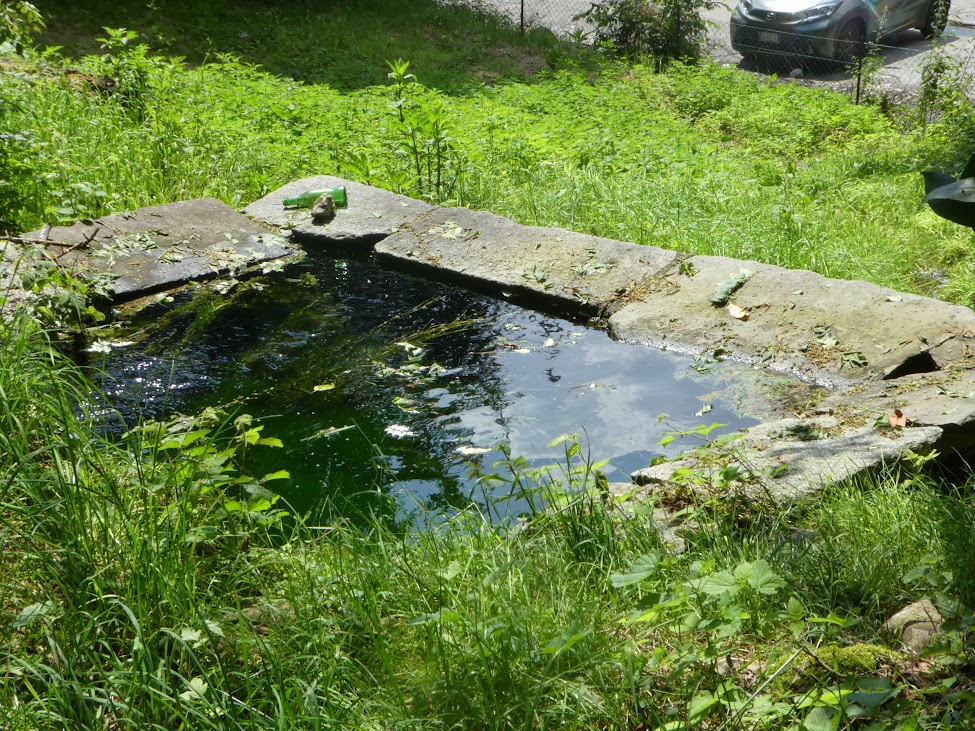
The early lavatoi often consisted of a single basin either made from stone slabs or hollowed out from a single stone block. Palanzo has a single stone lavatoio constructed in the 16th century alongside the more complete and fully restored version built in 1852. Other single stone basins can be seen in Dizzasco, Camnago Volta and at the end of Via Valgioera in Garzola below the San Donato Sanctuary.
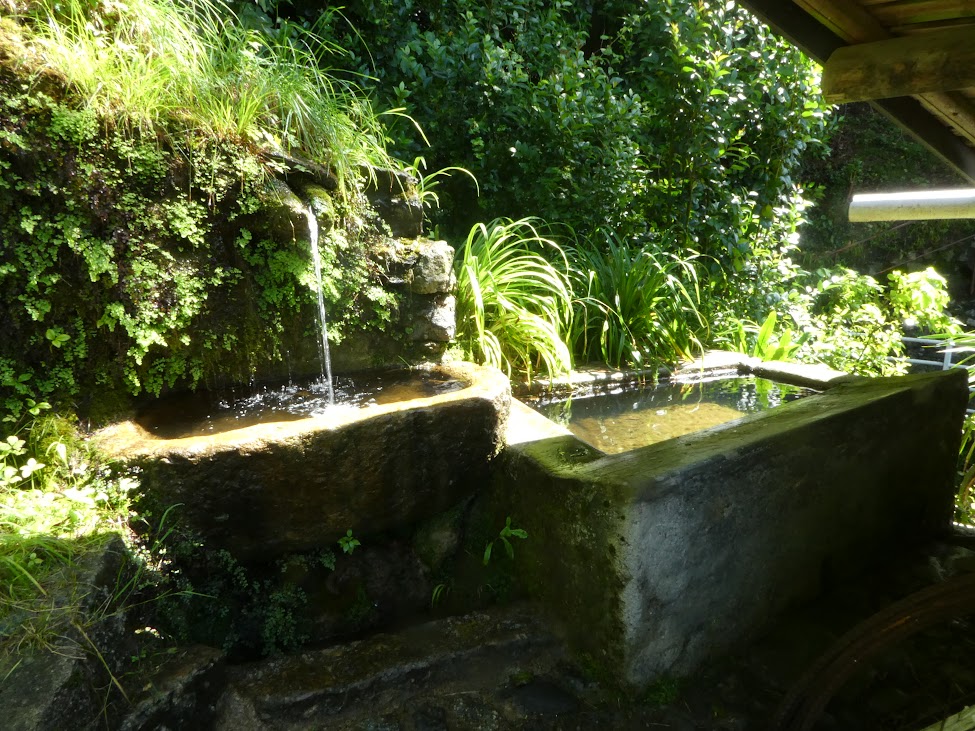
Apart from these early examples, the great majority of local wash houses were built in the 19th century and most often by the women of the village. It was the custom for most men to emigrate seasonally for work in the various specialist building trades developed around the lake and the Val D’Intelvi. They would be absent from home from April through to the end of October leaving it to the women to tend the animals, wash the linen of their wealthy neighbours and construct the wash houses paid for with the patronage of a rich local.
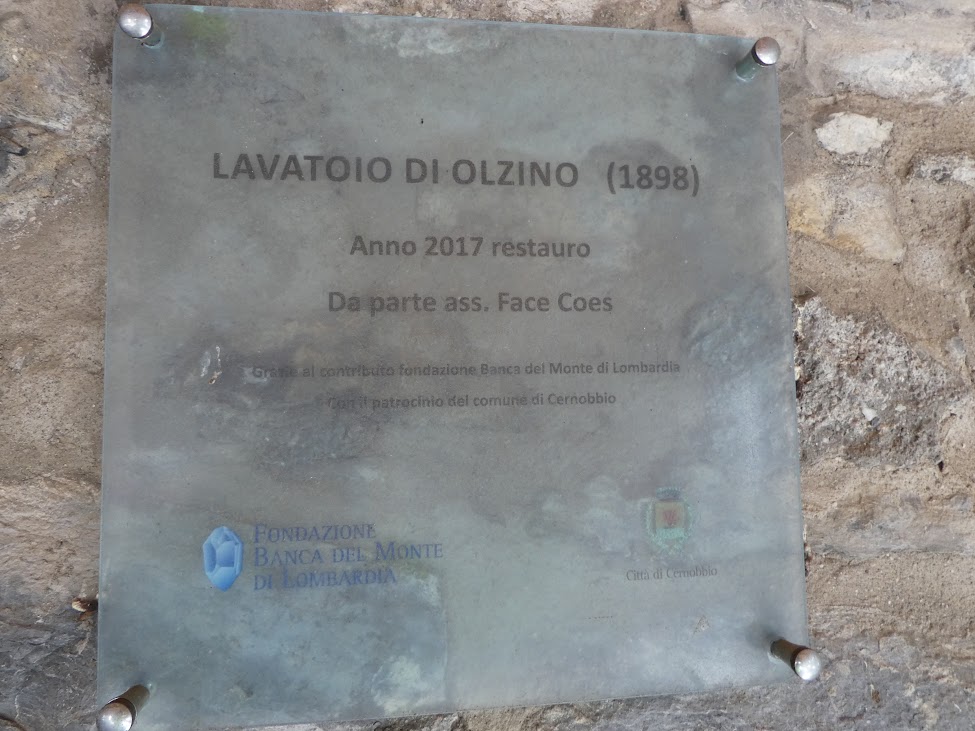
Granite was a popular stone used to cap the basins and placed at an angle of 45 degrees to aid scrubbing. Apart from around San Fedelino at the top end of the lake, there are no local sources of granite around Lake Como. However use was made of the large number of granite boulders brought down by glaciation from the Valtellina and deposited when the glaciers retreated at the end of the Ice Age. Use was also made of whatever stone was available locally given that at least twenty communities in the Province had mines. White marble came from Musso and black marble from Varenna, and the ubiquitous Moltrasio limestone (used extensively in dry stone walling around the lake) could be found all around the lake, not solely in Moltrasio itself.

After the last war, a great number of wash houses were built. They made use of pre-fabricated concrete units instead of stone and little attention was paid to aesthetic appeal. Concrete was said to provide a better surface for scrubbing and the individual units were more efficient although spartan in appearance. Technology was however beginning to have an impact firstly with the wider distribution of piped water and much later by the increasing numbers of domestic washing machines. Life in the mountain villages was also changing with better road links to the industrial centres encouraging a move off the land and into factories.

Village life was going through radical change and the rhythms and customs of the old communal life were being fundamentally altered. No longer was doing the laundry a social act. No longer did the wash house provide a meeting point to share news and comment. No longer in winter did villagers have to dip chapped hands into ice cold water to scrub linen clean. But for many communities, their restored (and unused) lavatoi provide a sentimental monument to both the suffering and the solidarity of the past – to a time when life was hard and there was a need to work together to endure it.


 The Como Companion
Thank you for another interesting article. My friends and I walked past one such wash house in Como, just behind via Milano yesterday. There’s something about them – the austere nature of the more recent ones and the regimented uniformity of design that draws interest. Their place in community life was informative. Best wishes. David.
LikeLike